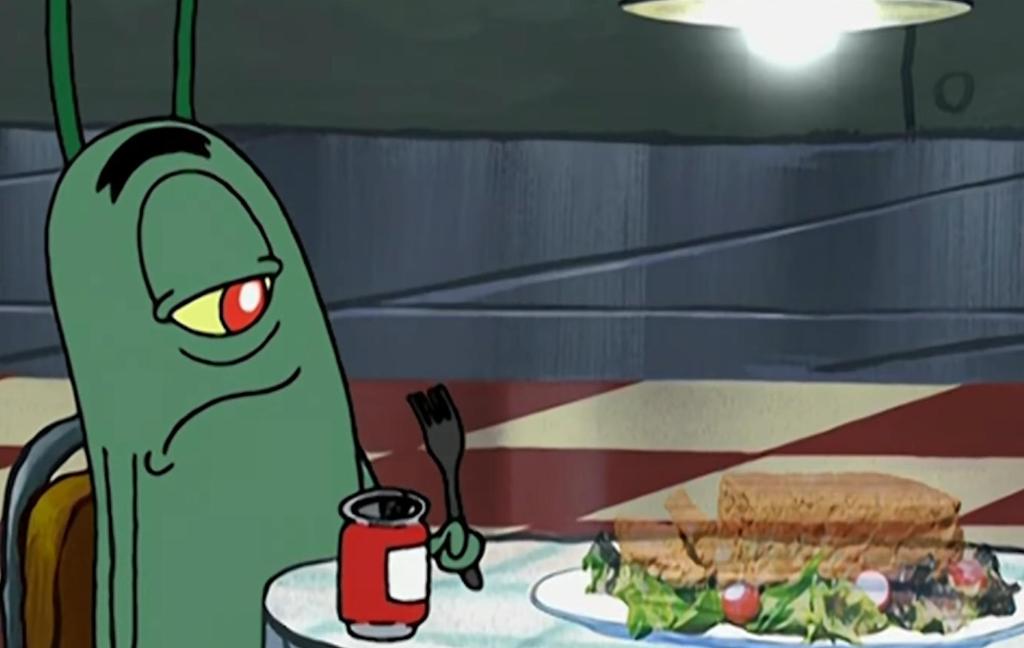
I think that overconsumption could be one of the key pillars of the 2020s. It’s been spoken about more and more in recent years and everyone seems to be self aware of it – hyper self-awareness could be another pillar of the decade but that’s the beginning of a new topic. We seem to be stuck in a cycle of content production and rapid consumption which bleeds into everything we do: fast fashion; fast food; vapid social media; short-form videos; cheap clothing hauls; microtrends; easily accessible pornography; situationships; rosters; disposable packaging; replacing technology that isn’t broken; excessive branding; self-branding; the replacement of manmade creation with sloppy AI. Everything is instantly gratifying and instantly disposable. When I think about the things that modern people complain about, there seems to be a severe lack in sustainable happiness.
The answer as to why everything follows this design is of course the money it reaps. It’s the last stage of a consumerist/capitalist so-called utopia that people have been warning about for the last 40 years. In fact, everyone still seems to be aware of it but that doesn’t mean we won’t succumb to it – that’s its insidious nature. The more we consume empty products, the more we end up craving. It’s like eating meals that never fill you.
I’m not saying anything too profound here, but the part that shocks me is how it’s surreptitiously underpinned everything we do. In dating culture, it’s become increasingly normal to treat people as commodities. That’s how we got the term ‘situationship’, from so many young people complaining of being in miserable, non-committal relationships. No one wants to close off their seemingly endless options by settling with just one person. Dating apps have made meeting people and evaluating them as easy as online shopping and it’s become normal to have a rotating roster of people on your phone to assure you never get bored. People who hold this attitude have always existed, however I’d say it’s becoming increasingly mainstream to treat other people as a means for instant sexual or emotional gratification.
Something else that’s often spoken about is how quickly we churn through clothing. A Guardian article reported in 2022 that Shein produces up to 10,000 new products a day. If you open Tiktok, you can see an endless abyss of videos of excited young women doing clothing hauls to show off the dozens of items that they’ve ordered; most of which will never be worn again. These clothes are mass produced in slave-like conditions only to be dumped in an overflowing landfill. But keeping up with the latest micro-trend and the dopamine hit of a new purchase seems to be more important than any of that.
The sex industry encapsulates some of the darkest parts of overconsumption. From the time that they are able to access the internet, boys are exposed to an ocean of videos depicting real women performing sex acts. The ease of access makes it all the more dehumanising to the women involved and in addition, it quickly becomes boring to those watching it. As a result of this, viewers begin to seek out increasingly extreme videos. To reference a 2021 study conducted by the UK government:
‘The current context of pornography consumption is a critical part of the picture. Widespread smartphone adoption and high-speed streaming has facilitated easy, rapid access to pornography. The growth of content on mainstream pornography websites has made its availability seemingly limitless. Furthermore, a great deal of this easy to access, mainstream pornography depicts (to varying levels) sexual violence and female degradation’.
It should be noted that they then go on to add that ‘pornography has been shown to desensitise men so that they see women as sex objects’.
Almost everything that’s presented to us today relies on the hope that something can only hold our attention for 30 seconds. Our brains are so burnt out that we are increasingly struggling to find things exciting or interesting. Which only leaves us with less, making us crave more. The only way out is to reject it all but I’m not sure how far we’ll have to be pushed until society collectively decides to do so.
 Archimedes' Bath
Leave a comment